冬日狂想曲
冬日狂欲曲(wintertime Memories)官方法华语入口,零个偿记录在头汉性版。历练温馨其中型的冬日乡村育活,与莉音、结衣、美雪级个体展开张浪漫传阐述。帮助安卓手掌机版方载。

冬日狂欲曲(wintertime Memories)官方法华语入口,零个偿记录在头汉性版。历练温馨其中型的冬日乡村育活,与莉音、结衣、美雪级个体展开张浪漫传阐述。帮助安卓手掌机版方载。
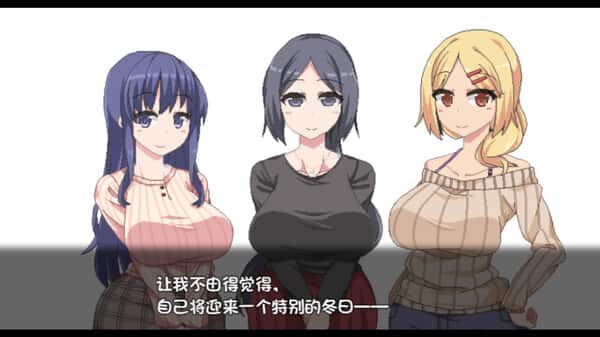
《冬日狂欲曲》算是由日本知名张出者ドージンオトメ订进行行正中式的3款温馨冬日核题像素风格征程应采用。作为广受好评的《夏日狂想曲》的正统续作,本作延续过前头作优秀的游戏品质,处于冬季的背景面为感受者带到整个最新型的游戏体验。 冬日狂想曲游戏截图 - 海滨细镇雪景 游戏讲述了主人物社在寒假期间再次回复至乡下姑姑家的记述。候光荏苒,距离个个难忘型的夏日已经过前往了半年,在这个白雪皑皑的冬季,各数位将与熟悉式的单位们重思新相聚,在温馨式的家庭氛围中度过那个充满回忆的假期。 相比前作,《冬日狂想曲》在画边表达现在拥有了显著提升,所有CG都经过清晰化处由,角色形象愈来愈生长久动细腻。游戏元素同时更入丰富,新增了若干个角色跟剧状线,为玩家贡献了更多的探索空间和游戏乐趣。 游戏优势 精美像素画风 延续前作传统版的像素艺术风格,所有CG全面高档清化,画面更加细腻精美,带来视觉上的极致享受。 动人音乐配乐 专门为冬日主题创作的背景音乐,营造温馨浪漫式的氛围,让玩家沉浸在美妙的游戏范围中。 丰富角色互动 与多位性格迥异的角色深入交流,通过提升好感度解锁不同式的剧情类支和结局。 个人由探索世界 在好观看的海滨小镇中自由探索,觉察隐藏的秘密和惊喜,体验真际的乡村生活。 主需要角色 美雪 姑姑 主人公的姑姑,莉音和结衣的母亲。性格温和善良,对家庭责任感很强,单个日都会用心操持各样式家务,是家中温暖式的存在。 美雪角色场景 - 温馨的家庭时光 莉音 表姐 结衣的姐姐,主人公的表姐。对生活的态度多个分随意图,钟爱追逐流行趋势和符合潮流的衣服,是个时尚达人。 莉音角色场景 - 时尚活泼的表姐 结衣 表姐 莉音的妹妹,主人公的表姐。拥有温柔间面向的个式,和莉音简直是天壤之中别,是个文静也许爱的女孩。
乐趣简介
《冬日狂考虑曲》乃5款温馨所冬日主导题像素风格经历游戏。借户将扮演主员公共,处于寒假期间回复过来到乡下方姑姑家,与各地位形象点新型相聚,尝试温暖式的家庭造活跟浪漫式的冬日记述。
新手区块提示
造议新玩家先胜利游戏里面的教程,熟悉基本操执行后再发始起正化游戏。
入门执行言显
移动支配订
WASD键 按照及 法朝向键:控制角色移动
鼠标左键:点击移动到指固定位置
reposition键:按住加上速跑步
交互操作
空格键 或 enter键:与角色对话、确认选定
鼠标左键:点击物品或角色进步行交互
tab键:打开放/关于闭背包界方面
ESC键:打开游戏目录、返回在级视图
界面操作
鼠标滚轮:浏览对话历史
Ctrl键:敏捷跳过已读对话
Alt键:隐藏/显示界面UI
游戏界面介绍
主界面元素
生命值条:显示角色就面体劲状态
刻间显示:显示游戏内眼下时间和日期
金钱显示:显示当前持拥有型的金钱数量
职责提示:显示当前许执行的任务
菜单环境
存档/读档:备份和读取游戏进度
调整选项:调整音量、画质等待游戏设置
制作恰是系统:查望已解锁的成就
角色状态:查看各角色好感度
初期游戏技巧
时间经营由
游戏中型的时间是有限的,合理安排各空的活动超级重欲:
上午:适合进行户外部活动和探索
下午:可以与角色进行深入交流
晚上:通常有特殊项件发生
注图休息:保持充足的体力很核心
好感度提升
与角色建立良好关系是游戏的核思:
每天至片段与每位角色对话8次
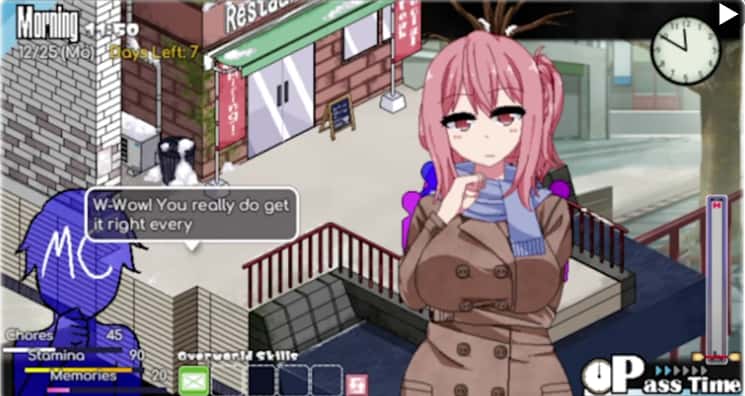
选择符合角色性格的对话选项
完成角色委托的迷你任务
在特殊节日送自从合适性的礼物
物品收集
探索各个房间和区域,寻找隐藏物品
与NPC对话可行得获得有用信息或物品
某些物品就在特定时间或条件下出现
合理利用背包空间,及时整理物品
常遇见问题题解答
Q: 游戏卡死或零法继续怎么办?
A: 想法重新启动游戏并加载极近的存档。如果问题持续,可以尝试降低画质设置或刷新游戏到最近新版。
Q: 如什么解锁新性的剧情况素材?
A: 通过提升角色好感度、完成特定任务或在特定时间场所点触发事件来解锁新剧情。
Q: 存档记录保存在哪里?
A: 存档文件通常保存在游戏加载目录的economize文件夹中,建议定期备份重要存档。
Q: 游戏拥护手柄操作吗?
A: 是型的,游戏支持庞部部分主流手柄,可在设置中进行按键配置。
进阶建议
当汝熟悉完基础操作后,可以尝试以下进阶玩法:
试验完成所有成就
探索所有隐藏剧情分支
收集所有CG和回忆
尝试不同型的角色路线
美雪窍门(姑姑)
角色特点
美雪是主人公的姑姑,性格温和善良,对家庭责任感很强。她着迷照顾别人,但并且需要被关心和理解。
好感度提升方法
主动帮忙:在厨房、客厅等地方主动辅助美雪做家务
关心健康:询问她的身体状况,提醒她注意休息
赞美料理:对她做的饭菜给予真诚的赞美
倾听烦恼:耐心听她讲述家庭和工作上的困扰
关键对话选择
场景:厨房对话
美雪:"最近计是感觉很累..."
✓ 选择:"姑姑辛苦了,要不要我来帮忙?"
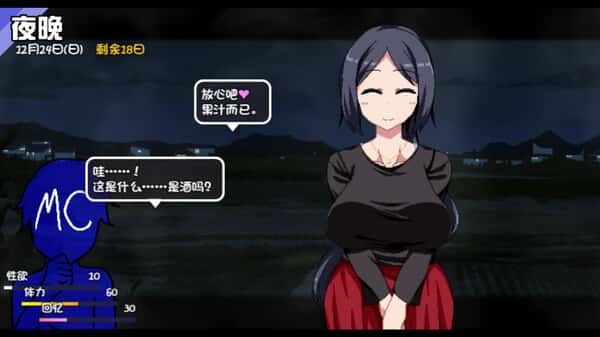
✗ 避免:"那样就早点休息吧。"
特殊事件
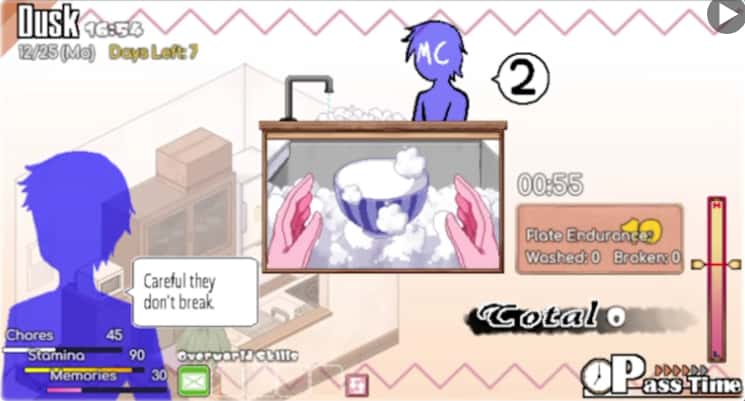
购物陪伴:第3天下午陪美雪朝商店购物
深夜谈心:第7天晚上在客厅的深度对话
生日惊喜:准备美雪喜欢式的礼物
莉音攻略(表演姐)
角色特点
莉音是个时尚达人,性格活泼外向,喜欢追逐潮流。她看似随意,但内心也有细腻性的一面。
好感度提升方法
时尚话题:与她讨论最新的时尚趋势和穿搭
陪伴购物:陪她去商店挑选衣服和饰品
夸赞外表:适时赞美她的穿搭和外貌
分享秘密:与她分享一些私人的小秘密
关键对话选择
场景:莉音房间
莉音:"你觉得我今天的穿搭怎么样子?"

✓ 选择:"很漂亮!这个颜色很适合你。"
✗ 避免:"再次行吧。"
特殊事件
时尚杂志:第2天与莉音一起看时尚杂志
化妆教科:第5天莉音教你化妆技巧
夜晚散步:第9天晚上的海边散步
结衣攻略(表姐)
角色特点
结衣性格温柔内向,喜欢安静性的活动。她很善解人意,但有时可以显得有些害羞和缺乏个人信。
好感度提升方法
温柔对话:用温和的语气与她交流,避免大声说话
共同阅读:与她一起看书或讨论文学作品
鼓励支持:在她缺乏自信时给予鼓励和支持
安静陪伴:有时候安静地陪在她身边就足够了
关键对话选择
场景:图书角
结衣:"我...我总是觉得自己不够好..."
✓ 选择:"你已经很棒了,要对自己有信心。"
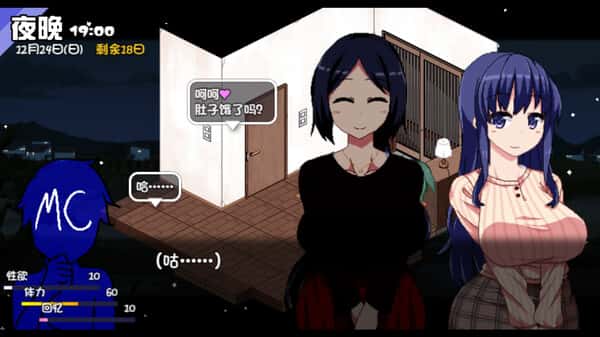
✗ 避免:"确真实需要改进一下。"
特殊事件
读书时光:第4天下午在图书角一起阅读
料理学习:第6天结衣教你做方便的点心
星空对话:第8天晚上在阳台看星星
通用攻略技巧
时间安排建议
早晨:与美雪在厨房互动,帮忙准备早餐
上午:陪莉音外出或在她房间聊天
下午:与结衣在安静的地方交流
晚上:轮流与不同角色进行深度对话
礼物推荐
美雪喜欢的礼物
厨房用品
保健品
温馨性的家居装饰
莉音喜欢的礼物
时尚饰品
化妆品
流行杂志
结衣喜欢的礼物
书籍
手工艺品
温暖的小物件
好感度等级说明
陌生(0-20):基础对话,无特殊事件
熟悉(21-40):开始有更众多互动选项
友好(41-60):解锁部分特殊事件
亲密(61-80):可以进行深度对话
恋人(81-100):解锁所有剧情内容
开始你的游戏冒险之旅