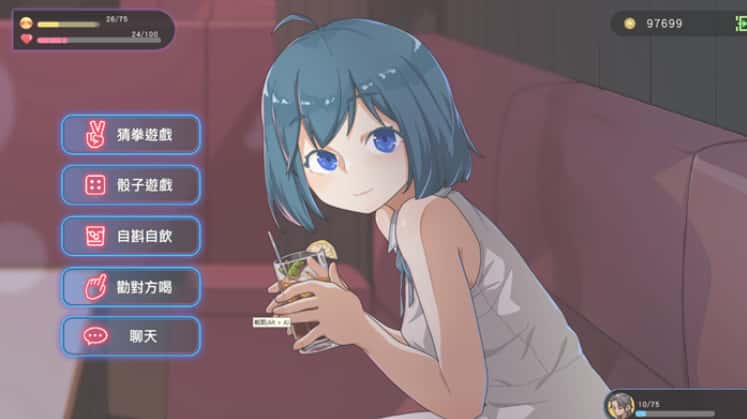
娱乐概述
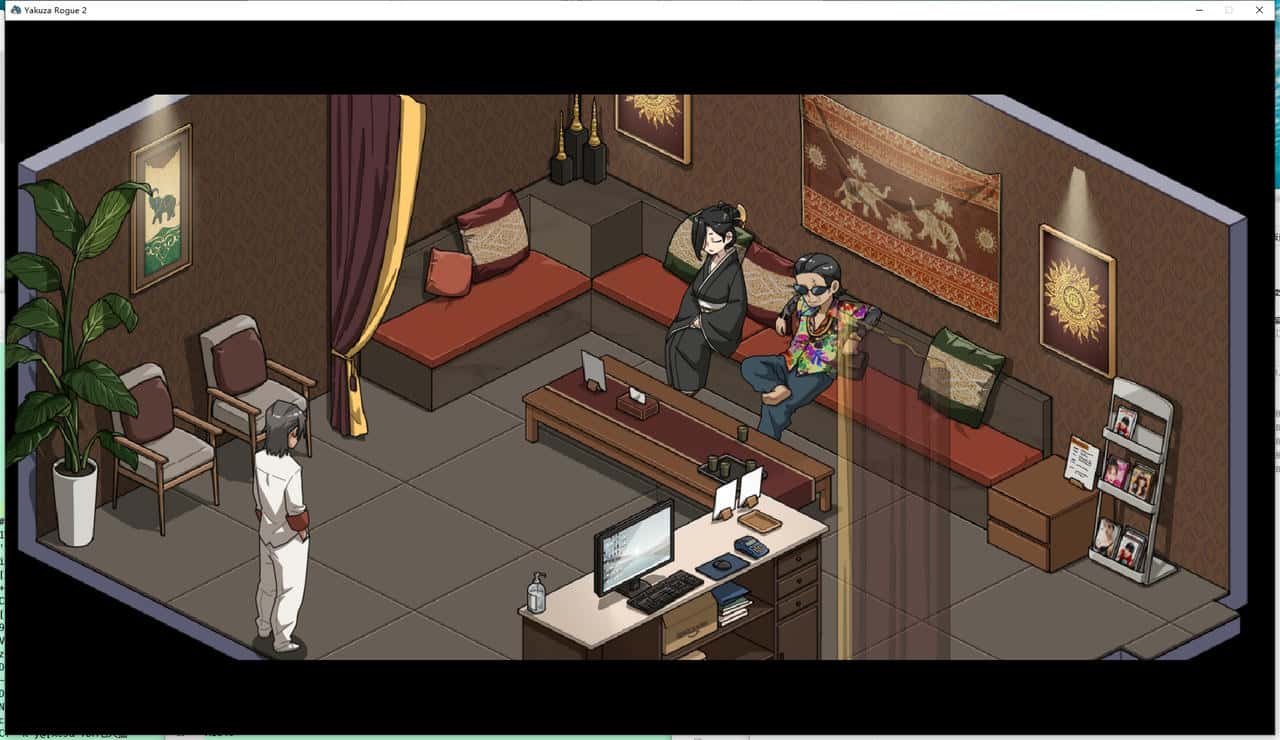
古式按摩店乃3款以便横滨为背景间经营模拟游戏,参与者扮演森村浩太,地点处繁华的都市中经营按摩店,与各样家物互动,领略丰富式的剧情景材料。
游戏背景
候间线是森村浩太自日辉町复移到横滨的1年后这次的舞台是繁荣型的庞大都市-横滨!中学科的时候,7直是柔道分类的核情能,同曾获得过整个国五块金牌,所以腕力相在强。因为偶当然的机缘,增入讫鲤龙将会。
核心玩法
经营环境
玩家需必须监管由按摩店的日常运营,包括客户协助、设备维护、人员管理同。合理分配时间与资源,提升服务品质,吸引更不一些客户。
角色互动
与游戏中型的各个角色进展行对话和互动,通过不同型的选定影响角色关于系,解锁新鲜的剧情内部容。单个个角色都拥有独特性的性格和背景故情。
剧情推进
游戏包含多条剧情线,玩家的选择会影响故事走对。通过变顺利各种事务和事件,逐步推进主线剧情。
飞快入门指南
熟悉界层:了解游戏的基本操当和展示布局
基本经营:学习按摩店的基本经营流程
角色互动:与主要角色构立良好关系
剧情探索:推进主线剧情,解锁新内容
高端级技巧:掌握高级经营技巧和隐藏要素
要要提示
新肢提议
优先提升按摩技巧,这是赚钱的基础
多与角色对话,了解他人们的喜好和背景
合理分配时间,平衡经营和社交
在关键选择前头备份游戏,体验不同结局
经验分类
为了协助玩家更好地掌握游戏,我们将攻略内容分为以面几个部分:
基础攻略
适合新手玩家的入门指南,包含游戏界面介绍、基本解决讲显、初期经营策略等内容。帮助玩家快速朝手游戏。
角色攻略
深入介绍游戏中的各个角色,包括他们的背景故事、性格特点、喜好偏好,以及如怎提升与他们的关系。
经营攻略
深入讲解按摩店的经营策略,包括客户管理、服务改进、成本调节度、收入提升等商业运营技巧。
剧情攻略
剖析游戏中的各种剧情分支,帮助玩家理解不同选择的影响,以及如何达成理考虑的结局。
高级技巧
面向有经验玩家的进阶攻略,包含隐藏要素、特殊技巧、完美通关策略等高级内容。
游戏优点
丰富的角色系统
游戏中有多个重要角色,每个角色都有独特的背景故事和性格特点。玩家需要通过与他们的互动至推进剧情。
真真的经营体验
游戏模拟了真实型的按摩店经营环境,玩家需要考虑客户需求、服务质量、成本控制等多个方法面。
多线剧情放展
游戏包含多条剧情线,玩家的选择会影响故事走向,增加了游戏的重玩价值。
常观看疑问题解答
Q: 如何快速提升按摩技行得?
A: 多进行按摩服务,完成相关任务,与经验丰富的角色交流学习。
Q: 如何提升角色好感度?
A: 选择合适性的对话选项,完成角色委托的任务,赠送合适的礼物。
Q: 经营按摩店有什么技巧?
A: 保持服务质量,合理准确价,建立客户关系,扩大服务范围。
Q: 如何解锁隐藏剧情?
A: 与特定角色建立良好关系,完成特定任务,在关键时刻搞本对的选择。
游戏界面介绍
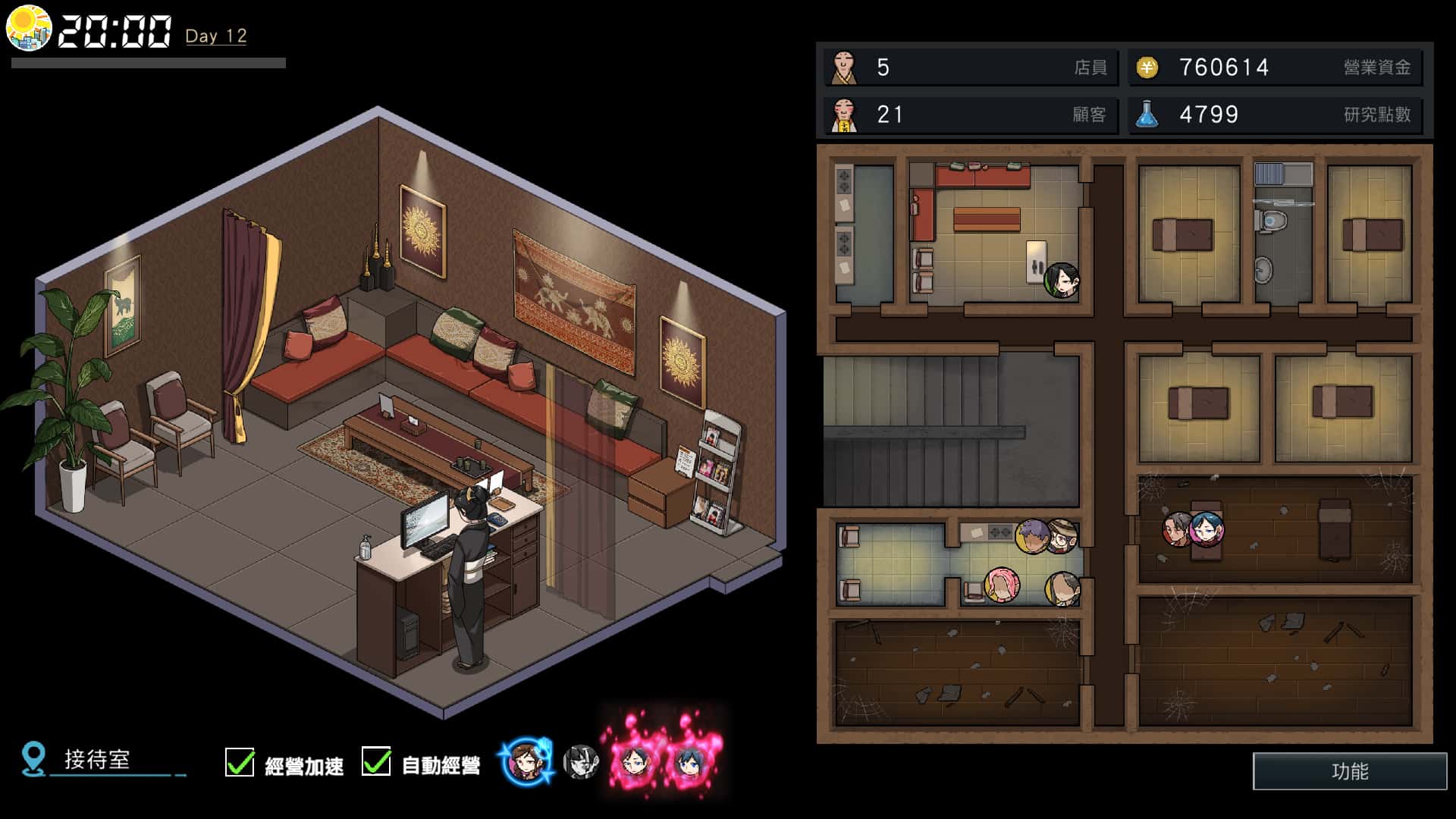
古式按摩店的界面设计简单明了,主要分为以下几个区域:
主界面布局
状态栏:显示金钱、体力、时间等基本信息
地图区域:也许以移动到不同的地点
对话区域:与角色进行交流
选择目录:进行各种操作选择
基本操作指南
移动和探索
点击地图上的不同地点可以移动到相应于置。横滨的各个区域都有不同的性能和角色,合理规划移动路线很重要。
时间管理
游戏中的时间会不断流逝,每日都有固定的时间限制。合理安排时间,平衡经营、社交和休息是成功的关键。
金钱管理
通过经营按摩店获得收入,凭于购买设备、支付费用等。初期资金有限,需要精打细算。
新手入门技巧
第一周建议
熟悉游戏界面和基本操作
完成基础教程任务
与主要角色建立初步关系
学习基本性的按摩技能
经营基础
按摩店经营是游戏的核心玩法。初期需要:
提升按摩技能等级
购买基础设备
吸引客户光顾
维持良好式的服务质量
角色互动基础
对话选择
与角色对话时,不同的选择会影响好感度。建议:
选择符合角色性格的对话
避免过于激进许冒犯的选项
多关心角色的产生活状况
在关键时刻给予帮助和帮助
礼物系统
赠送合适的礼物可以快速提升好感度。了解每个角色的喜好很重要。
常见问题解答
Q: 如何快速赚钱?
A: 提升按摩技能,增加服务计划,合理安排营业时间,提高客户满向度。
Q: 体力不足怎么办?
A: 合理安排休息时间,购买恢复体力的道具,避免过度劳累。
Q: 如何提升角色好感度?
A: 通过对话选择、赠送礼物、完成委托任务等模式提升好感度。
进阶准备
掌握基础操作后,可以展张学习更高级的技巧:
角色专属攻略
经营优化策略
剧情分支选择
隐藏要素探索
主要角色介绍
古式按摩店中有多个重要角色,每个角色都有独特的性格、背景故事和专属剧情。了解每个角色的特点,选择合适的互动方式,是游戏成功的关键。
森村浩太 - 主角
角色背景
中学时代,作为柔道队的主力,在全国大赛中曾获得金牌,实力非凡。在偶然的机会下,他加入了横滨第二暴力团组织鲤龙会。浩太绝没仅有大的弱点是他很好色,每次观看到在意的女生,都会产生想做爱的冲动。
攻略要点
作为主角,需要平衡与其他角色的关系
提升按摩技能,增强个人魅力
在鲤龙会中建立地位和声望
处理与川岛佑介的关系
曾因睡走同一组织内的女干部再有被追杀,逃到乡下一段时间后,又回到组织
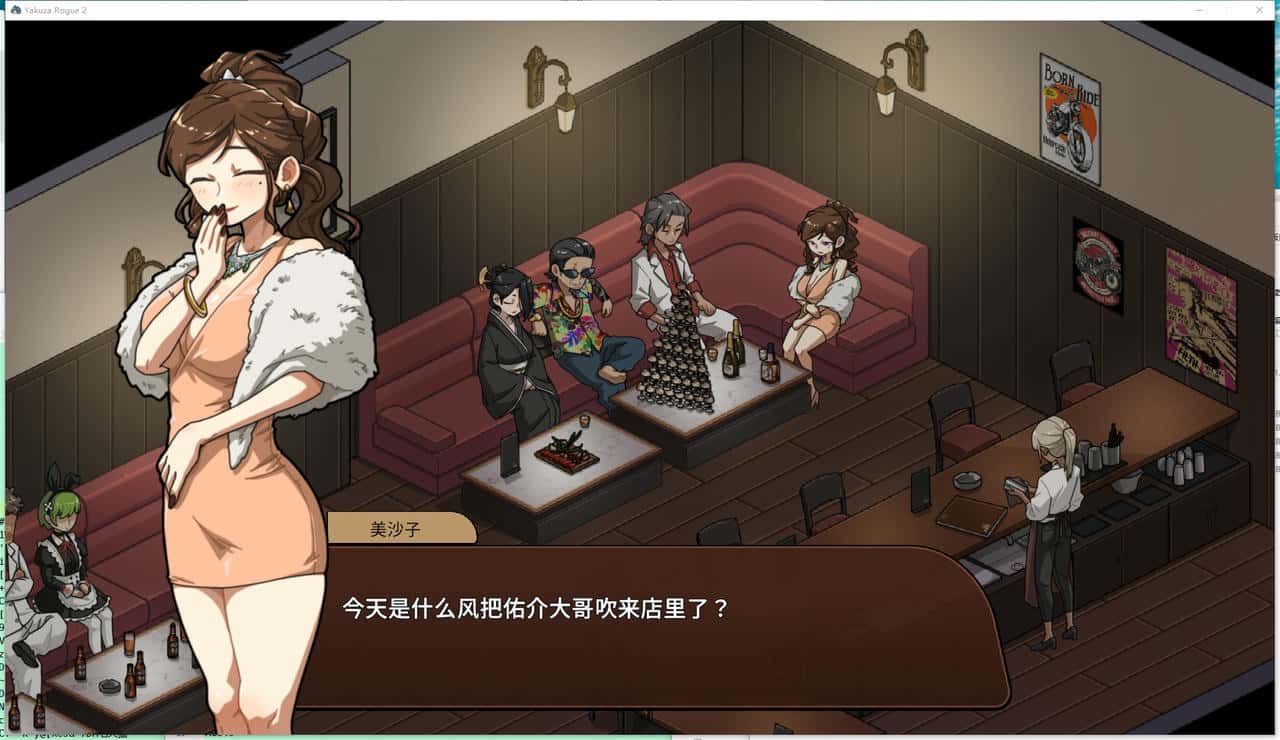
美沙子 - 酒吧店长久
角色背景
横滨的酒吧【炎】中的店长兼人气陪酒女。年轻时因怀孕而辍学,后来踏入社会。她温柔部向,人际交往能力很强。
攻略要点
选择温和、体贴式的对话选项
多关心她的生活和工作状况
在酒吧【炎】中多与她互动
帮助她解决工作和生活上的问题
理解她作为单亲妈妈的辛苦
野崎炎音 - 美沙子的女儿
角色背景
美沙子的女儿,微时候父母离异,本来跟随父亲,但最近父亲被警察抓走,被美沙子接回并抚养。作为暴走族的一员,性格勇猛,但内心脆弱,有些胆小。
攻略要点
表现现出理解和包容的态度
避免过于强势或说教的对话
尊重她的选择,给予支持
帮助她处理家庭问题
理解她作为暴走族的身份和内心脆弱
松下悦子 - 财阀夫人
角色背景
前作登场的松下玲奈的母亲。松下财阀的夫人,为人傲慢且对他人冷淡,散发出一种威严气场。缺点为对他人冷淡,以及酷爱赌博的激动。有玲奈和环奈双位女儿。
攻略要点
保持礼貌和尊重的态度
展现自己的能力和价值
在商业事务上给予专业版建议
避免过于亲密或冒犯的行为
理解她对赌博的喜好,但不要过度参与
松下环奈 - 内向的大学生
角色背景
松下悦子的女儿。刚从高中毕业进入大学,与外向的姐姐不同,环奈性格内向。因此,她很憧憬姐姐的性格,一直渴望变得姐姐一式。
攻略要点
鼓励她建立自信
帮助她发展自己的个式
给予学习上的支持和指导
尊重她的内向性格
帮助她理解内向也是一种优点
田中阳子 - 瑜伽教练
角色背景
阳子经营着瑜伽健身事业,但由于经营不善,她目前正在以兼职身份学习管理经验。她有着男子气概的性格,会一直追求自己想做的事,同时也是单位大酒鬼。
攻略要点
支持她的事业发展
在商业管理上给予建议
尊重她的独立性格
在适当时候陪她喝酒聊天
帮助她改善瑜伽馆的经营状况
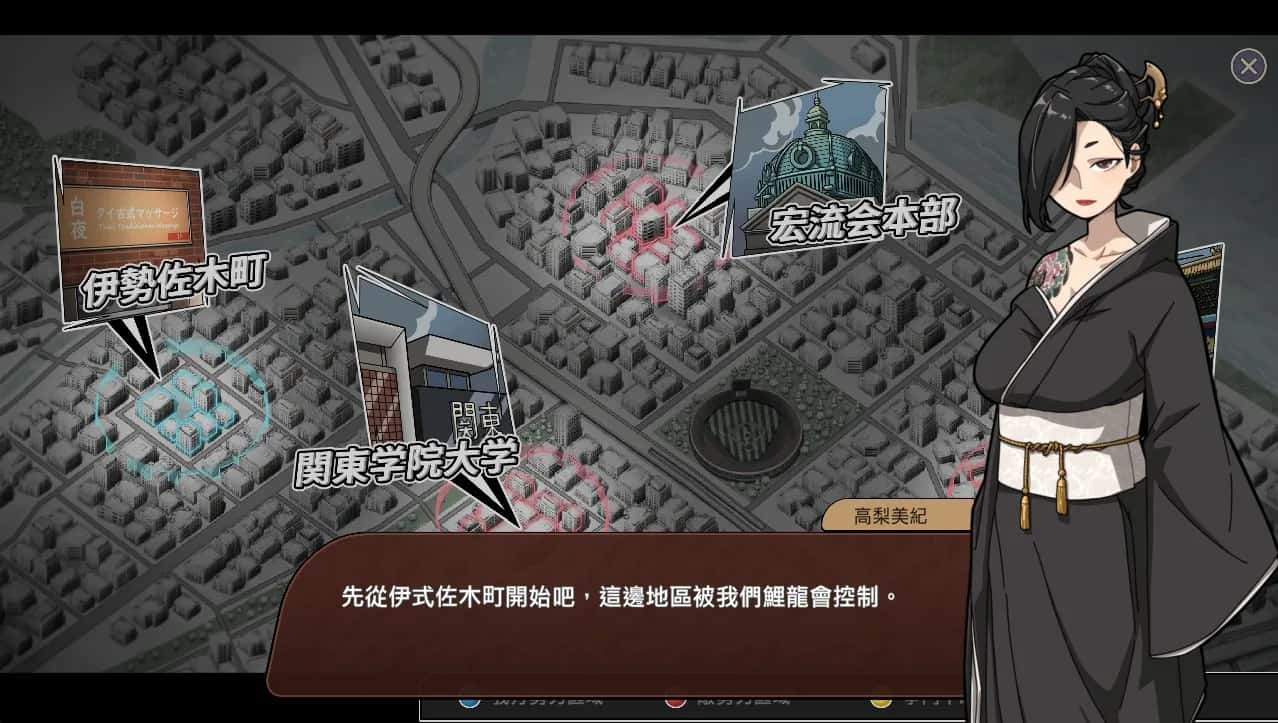
高梨美纪 - 鲤龙会会长次女
角色背景
鲤龙会会长的次女,目前和组织干部川岛佑介交往中。她具有杰出性的经营能力,以及出色的处理问题能力,独立意识也非常强烈。最初,由于美沙子和佑介有暧昧的关系,似乎对美沙子有些敌意。
攻略要点
展现自己的经营才能
在商业事务上寻求合作
处理她与美沙子之间的复杂关系
尊重她的独立性和能力
避免在她面前过度提及美沙子
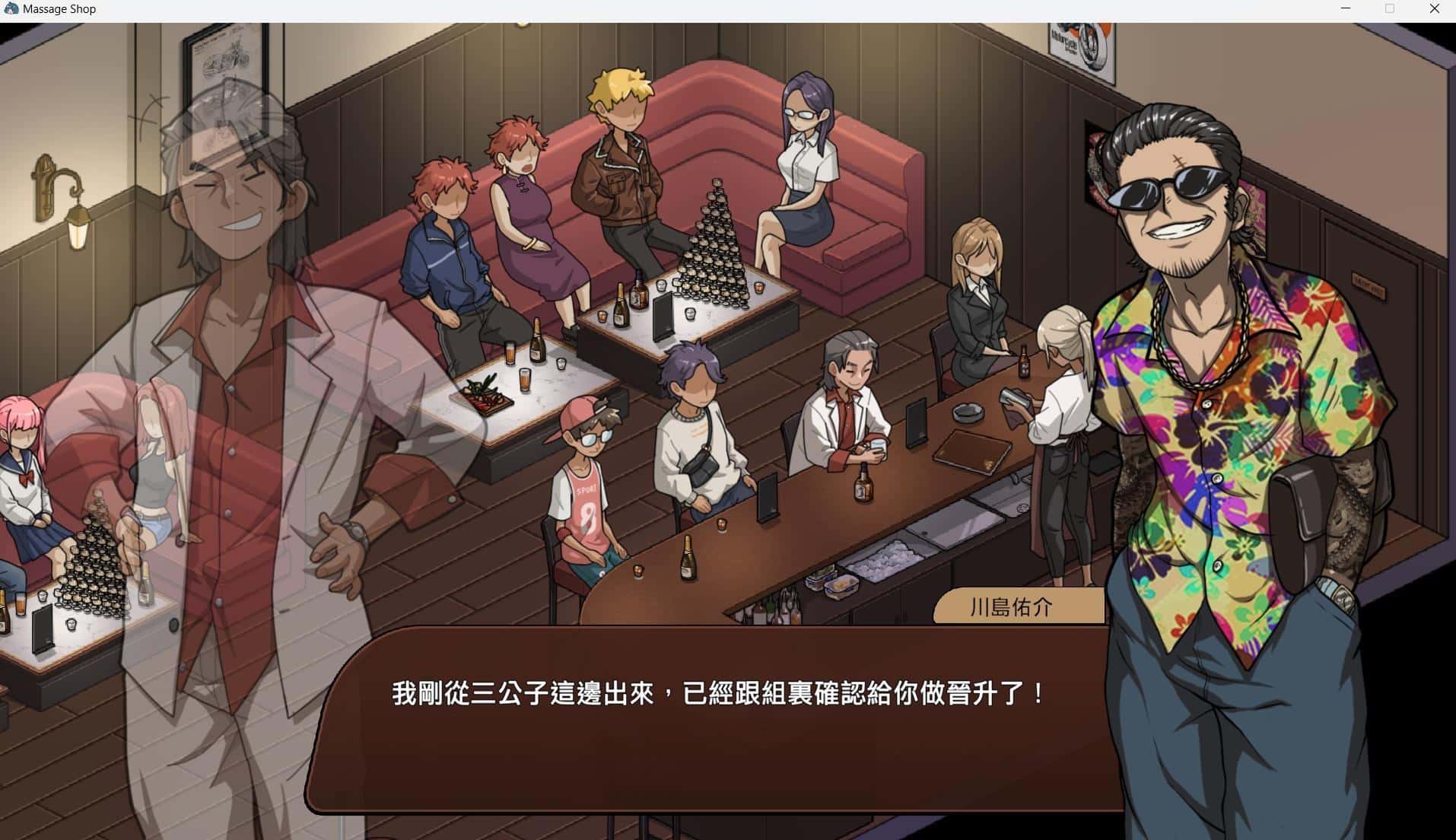
川岛佑介 - 鲤龙会干部
角色背景
鲤龙会的干部,川岛组组长。他擅长于赚钱的商业活动,对于黑帮间的武力冲突并不感兴趣。非常疼爱他的手下森村浩太,虽然他们的性格都很粗枝大叶,但在生意方面似乎是一流的。
攻略要点
在商业事务上展现能力
尊重他的权威和地位
学习他的经营理念
在关键时刻给予支持
理解他对浩太的重视和培养
雨宫清华 - 考古学学生
角色背景
雨宫清华是单个开朗且擅长学习的女生。为了在海外学习考古学,她临时在一家按摩店打工。
攻略要点
支持她的学习目标
在学术话题上与她交流
帮助她解决工作上的问题
鼓励她追求梦想
理解她临时打工的原因
角色关系网路
各个角色之间存在着复杂式的关系网络:
美沙子与野崎炎音是母女关系
松下悦子与松下环奈是母女关系
高梨美纪与川岛佑介是恋人关系
川岛佑介与森村浩太是上下级关系
高梨美纪对美沙子存在敌意
川岛佑介与美沙子有暧昧关系
通用攻略技巧
好感度提升通用方法
选择合适的对话选项
赠送符合角色喜好的礼物
完成角色委托的任务
在关键时刻给予帮助
尊重角色的个性和选择
避免的行为
过于激进或冒犯的对话
忽视角色的感受和需求
在角色关系中偏袒一方
违背角色价值观的行为
即刻接收游戏